The relationship between the heart and food: How modern diets harm cardiovascular health through historical evolution.
**The Relationship Between the Heart and Food**
It wasn't until the 20th century that cardiovascular disease began to pose a real public health problem in human society.
In the 1980s, the number of people who died from cardiovascular disease was eighty times that of 1900.
In fact, this public health issue was still a relatively new challenge in the history of human medicine. As a result, it was not until 1925 that the first related academic paper was published in the renowned professional journal The Lancet.
Foods rich in animal fats and highly processed and refined were initially only available to a few wealthy people, but in modern times they have become more accessible to all social classes and are now commonly consumed by everyone.
Canned goods, sugar, desserts, and all kinds of meat products, which were once luxuries, have now entered the daily diet of the general public and are no longer products enjoyed by a few.
As human society becomes increasingly industrialized and modernized, wages rise, and people become more and more able to consume these delicious and tempting foods.
Furthermore, the traditional agricultural economy, which could only supply food through small-scale farms, has now been handed over to large-scale farms that are industrialized and centralized for mass production.
People also left the natural land and concentrated in towns and metropolises, where they worked and lived, and where they also sought food supplies.
Higher wages have encouraged people to try different foods and no longer settle for simple, traditional eating habits.
As a result, more and more highly processed and refined foods that were originally luxury items are being mass-produced and consumed, but these things are also beginning to erode people's health.
The types of food we eat today are one of the main culprits behind the prevalence of cardiovascular disease.
Fortunately, in recent years people have paid more and more attention to the importance of health and a balanced diet, and have begun to understand that maintaining a healthy weight is not just about appearance or self-expectations, but more importantly, it can also prevent cardiovascular disease, the number one health killer in the Western world.
Coronary artery disease can cause our blood vessels to lose their original function.
Initially, there are small tears in the blood vessels, and the body, weakened, repairs them by using lipoproteins to seal them in as an emergency.
These lipoproteins can pick up other substances in the blood, such as cholesterol.
The higher the blood fat content, the larger these clumps that adhere to the blood vessel ruptures become; we call them plaques.
The cholesterol content of these vascular plaques varies greatly, with some containing up to 70% cholesterol on the surface. This can be considered a factor in assessing cardiovascular disease.
In fact, excessive plaque buildup can cause vascular blockage. If this blockage happens to occur in the coronary artery, the heart will not be able to receive enough oxygenated blood, leading to death.
Nathna Pritiki, a businesswoman, was diagnosed with cardiovascular disease at the age of forty. She began to restrict her diet, reducing fat and protein intake and increasing her intake of natural, unprocessed carbohydrates.
He also increased the amount of exercise he did in his daily routine.
Later, his condition surprised the doctor: the cardiovascular disease factors that had been diagnosed in him had all disappeared.
After Nassian's death, the autopsy report indicated that his arteries were as healthy as those of a young man, and there were no plaques or vascular lesions present.
We know that obesity is highly likely to lead to cardiovascular disease, but please remember one thing: some people may look obese but are healthy and fit; others may look thin but are not healthy.
Many factors can affect cardiovascular health, such as smoking, exercise levels, mental health, appetite, genetic factors, and lifestyle habits.
The amount of physical activity we get in our daily lives has been gradually decreasing since the beginning of this century, while the food we consume has become increasingly refined and highly processed, with large amounts of fast food and various artificial additives appearing in our daily diet.
Therefore, cardiovascular disease, obesity, and type 2 diabetes are becoming increasingly common.
It is worth emphasizing that refined and processed grains lack their original fructose content, thus hindering the liver's normal energy metabolism mechanism and further stimulating the secretion of large amounts of adrenaline.
The secretion of adrenaline is good news for the body.
One reason is that excessive secretion of adrenaline causes a large amount of fat to rush from the tissues that were originally stored into the bloodstream. These fat molecules accelerate the formation of plaques in blood vessels and increase the risk of coronary artery blockage.
In addition, adrenaline increases blood pressure, putting greater stress and strain on the cardiovascular system.
Numerous research reports indicate that when social crises occur, the incidence of stress-related cardiovascular diseases increases significantly, leading to more deaths from cardiovascular diseases.
In our personal experience, many people know individuals who work in highly stressful and tense environments, and consequently suffer from numerous cardiovascular diseases and risks.
Therefore, the relationship between cardiovascular disease and diet, lifestyle, obesity, and stress is now very clear.
The main goal of "hibernation diet therapy" is to control obesity and relieve stress and tension in the body.
This can be achieved by adjusting the body's natural recovery mechanisms and slow-wave sleep to their optimal state.
This goal can also help reduce and control risk factors for cardiovascular disease, preventing its occurrence.
A diet low in animal (saturated) fat and rich in plant nutrients and complex carbohydrates, along with fish, lean meat, eggs, and low-fat dairy products, can effectively help us fight cardiovascular disease.
This is the key point of the "hibernation diet therapy".
This type of diet provides the necessary energy supply, as well as various micronutrients such as vitamins and minerals, and also protects us from the threat of cardiovascular disease.
Regular and consistent exercise is also crucial. We need sufficient aerobic exercise combined with appropriate strength training to optimize fat burning during slow-wave sleep and help us control our weight.

Weight loss investment return: a double boost of financial savings and lifestyle transformation
This article demonstrates the profound impact of weight loss, including significant reductions in food and clothing expenses, and increased environmental awareness. This scientific approach to weight loss not only improves health but also brings dual rewards in terms of economics and quality of life, proving that weight loss is a highly worthwhile investment in life.
2026-03-26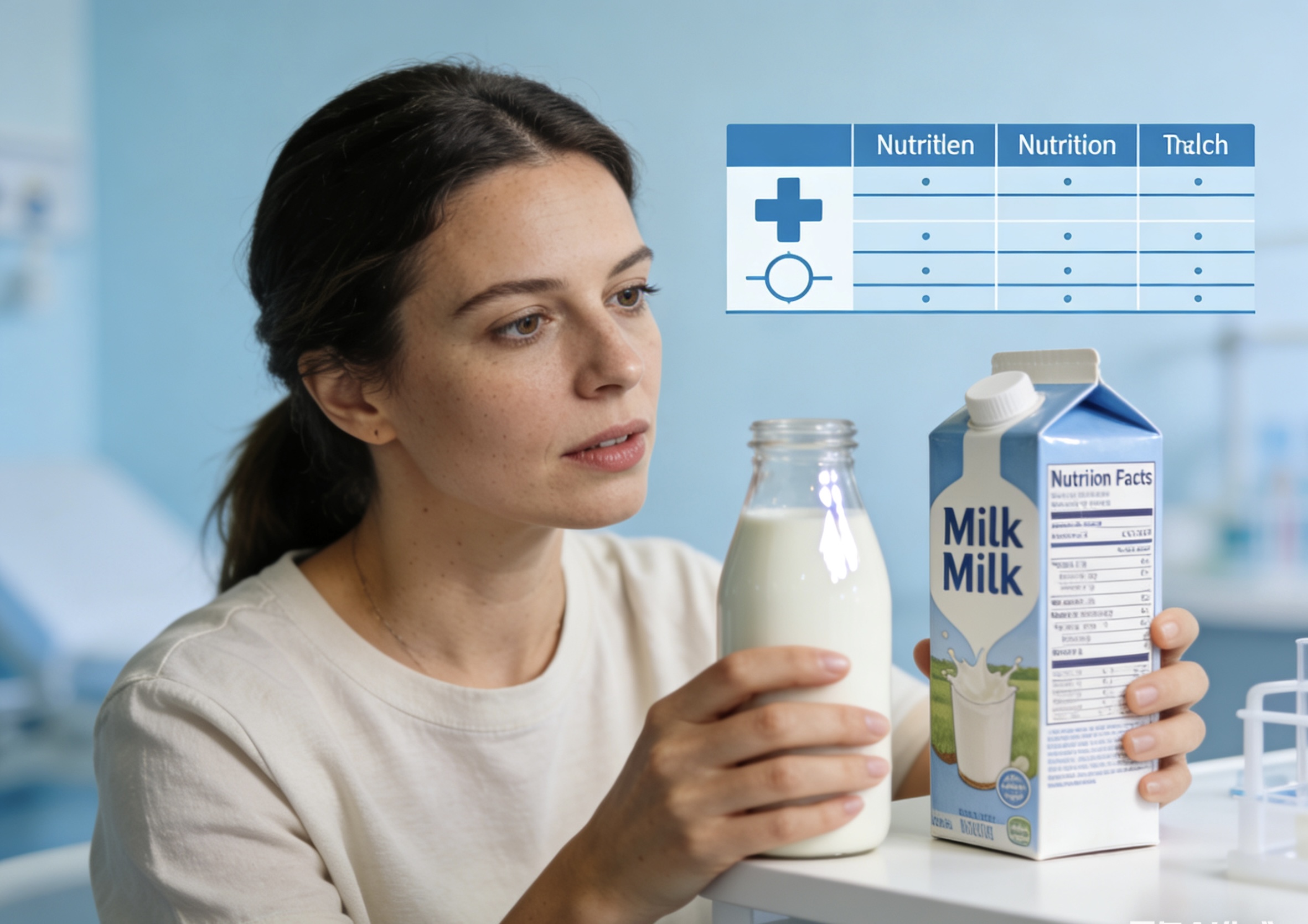
Whole milk or skim milk for weight loss? A guide to making the right choice.
There's no need to blindly pursue skim milk for weight loss. Whole milk is rich in fat-soluble vitamins and has a stronger satiating effect; moderate consumption won't hinder weight loss. The key is to control your intake of hidden fats such as cooking oil. A daily cup of whole milk can provide both nutrition and weight loss benefits.
2026-03-27
What to do about diarrhea and acne after drinking milk? Milk alternatives during weight loss.
Diarrhea after drinking milk is often due to lactose intolerance. Try drinking small amounts after meals, or choose lactose-free milk or unsweetened yogurt as alternatives. Acne caused by drinking milk is related to insulin-like growth factor; it's recommended to observe individual reactions. Choose milk alternatives scientifically to ensure a balanced diet during weight loss.
2026-03-27