Weight Loss Principles

17-Day Diet Q&A: Frequently Asked Questions about Dieting (Part 1)
This article is Dr. Mike's answers to common questions related to dieting. It covers practical issues such as: how to lose only four kilograms, whether it's possible to switch lunch and dinner, whether it's possible to stay on cycle one long-term, how vegetarians can adapt to this diet, what grains to choose besides oats and brown rice, what to do if you can't finish the prescribed food, and...
2026-06-05
A one-week plan for gut health and weight loss: starting with a juice fast
The intestinal health and weight loss program operates on a one-week cycle. For the first two days, a juice fast is implemented, consisting only of banana and soy milk to allow the digestive system to rest. From the third day onwards, solid foods are resumed, but juice is still consumed for breakfast, rice balls for lunch, and a high-fiber diet for dinner. This article details the method and...
2026-06-05
Phase 1: Dietary records and body fat source testing methods for the first three days
This article guides readers to record all food intake, meal times, and satiety levels for three consecutive days during the first phase of weight loss, and to identify the "source of obesity" through a six-question self-test, such as eating too much or drinking too many iced beverages.
2026-06-04
Part Three: Curve Recording Table – Identifying Fat-Type and Edema-Type Obesity
By measuring the dimensions of the most concerning areas daily and using a diet flow chart, it can be determined whether obesity is of the fat, muscle, or edema type. Methods for managing localized obesity are provided, including salt therapy and leg-lengthening exercises.
2026-06-04
A Comprehensive Guide to Avoiding Weight Loss Misconceptions and Caring for Beautiful Hands
This article begins by addressing common weight loss misconceptions, emphasizing the importance of scientific weight loss methods. It then introduces methods for maintaining beautiful, delicate hands anytime, anywhere, including specific techniques for transforming rough fingers into soft, supple ones. The content covers basic skin knowledge, shaping an ideal body shape, diet and vitamin-based...
2026-06-04
Dietary tips: Eat regular meals, chew slowly, and avoid eating before bed.
Here are nine dietary tips: Eat three regular meals a day, each meal should last at least 30 minutes, don't eat after 8 pm, eat your favorite foods first, drink soup and eat vegetables first, use less salt and more spice, don't waste leftovers, drink less cold drinks, and don't drink tea immediately after meals.
2026-06-04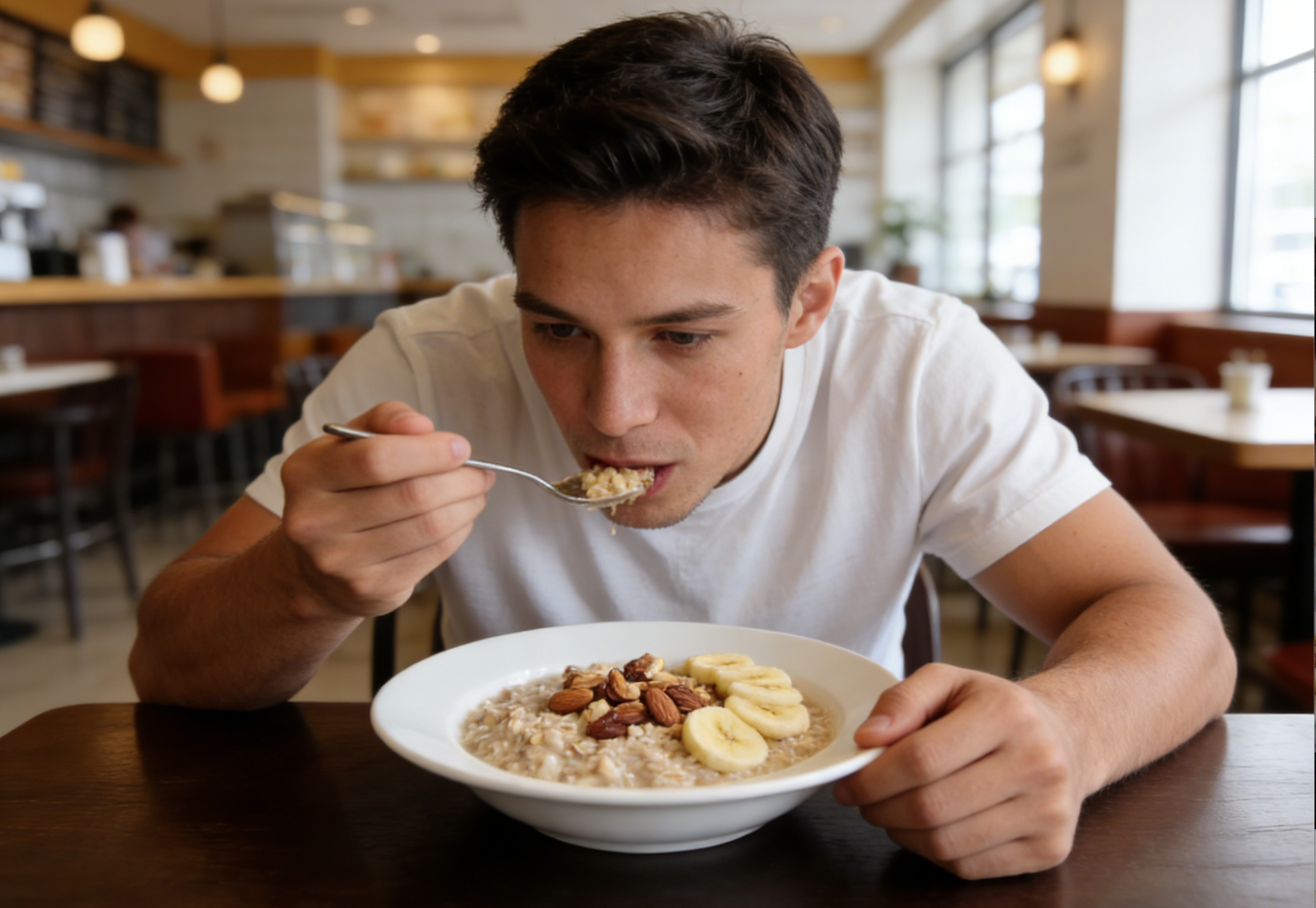
Example of filling out a diet flow chart and some tips: Balanced nutrition for easy weight loss
This article uses Mei's dietary flow record as an example to demonstrate how to correctly fill out the form and analyze nutritional balance. It emphasizes that there are no "forbidden" foods; one only needs to gradually reduce bad habits and cultivate new ones.
2026-06-04
Identify foods that make you prone to weight gain: Post-dinner weight tracking and comparison method
By recording your weight after dinner and comparing it with different foods, you can identify foods that make you prone to weight gain. For example, Ms. Zhang gains weight easily from fried chicken, while Ms. Lin gains weight easily from rice. This method helps readers find their own "sources of weight gain."
2026-06-04
Phase Two: Learning Marking Techniques and the Seven Weight Loss Goals
In the second stage, readers need to learn to use four symbols-large circle, large heart, small circle, and small heart-to record their diet and strive to achieve seven goals: reduce snacks and fried foods, and control the feeling of fullness to 80%.
2026-06-04
Nutritional Tips and Frequently Asked Questions about Diet Flow Charts
This book introduces the role of B vitamins in the metabolism of carbohydrates, fats, and proteins, and answers readers' questions about the difference between dietary flow tables and calorie control, food classification methods, beverage categorization, and protein intake.
2026-06-04
Appendix: Fat Loss Methods, Weight Loss Plateaus, and Dangerous Weight Loss Practices
Provides 8 specific tips for losing fat (daily calories, food proportions, meal times, etc.). Explains the causes and coping strategies for weight loss plateaus. Warns of the dangers of self-inflicted pain and banned weight-loss drugs (amphetamine, diuretics, etc.).
2026-06-04
Vegetables for weight loss: The fat-burning effects of winter melon, bitter melon, white radish, and spinach
This article introduces the slimming properties of vegetables such as winter melon, bitter melon, white radish, and spinach. Winter melon contains malonic acid, which inhibits the conversion of sugar into fat; bitter melon contains high-energy fat-clearing agents, which prevent fat absorption; white radish contains mustard oil, which accelerates fat metabolism; and spinach is rich in fiber,...
2026-06-03
Slimming juice and tea recipes: celery juice, black bean juice, loquat drink, and watermelon rind and lotus leaf tea.
This article continues to provide recipes for various slimming juices, including celery slimming juice, black bean juice, loquat and hawthorn juice, and bitter melon slimming juice. It also goes into the slimming tea recipe section, which details the ingredients and effects of teas such as watermelon rind and lotus leaf tea, gourd tea, and mango black tea.
2026-06-03
Vegetable and Grain Weight Loss Continued: Aloe Vera, Bamboo Shoots, Bok Choy, and Oat, Buckwheat, and Red Beans
This article continues to introduce the slimming effects of vegetables such as aloe vera, bamboo shoots, bok choy, and leeks, and then moves on to the section on grain slimming, elaborating in detail on the nutritional value and fat-burning effects of whole grains such as oats, buckwheat, red beans, green beans, and Job's tears.
2026-06-03
Weight loss through grains and flowers: the benefits of green beans, Job's tears, sweet potatoes, corn, and lotus leaf cactus.
This article continues to introduce the slimming effects of grains such as green beans, Job's tears, sweet potatoes, and corn, and then moves on to the section on flower slimming, elaborating in detail the heat-clearing, diuretic, fat-reducing, and slimming effects of flowers such as lotus leaves, cacti, lotus seeds, and irises.
2026-06-03
Weight loss misconceptions and follow-up, and nutritious breakfasts: exercising on an empty stomach, weight loss drugs, and delicious recipes.
This article continues to expose common misconceptions about weight loss: exercising on an empty stomach can actually lead to weight gain, spot reduction is impossible with targeted exercises, and weight loss drugs have significant side effects and are prone to rebound. It also provides recipes and benefits for five nutritious weight loss breakfasts, including brown rice and sweet potato...
2026-06-03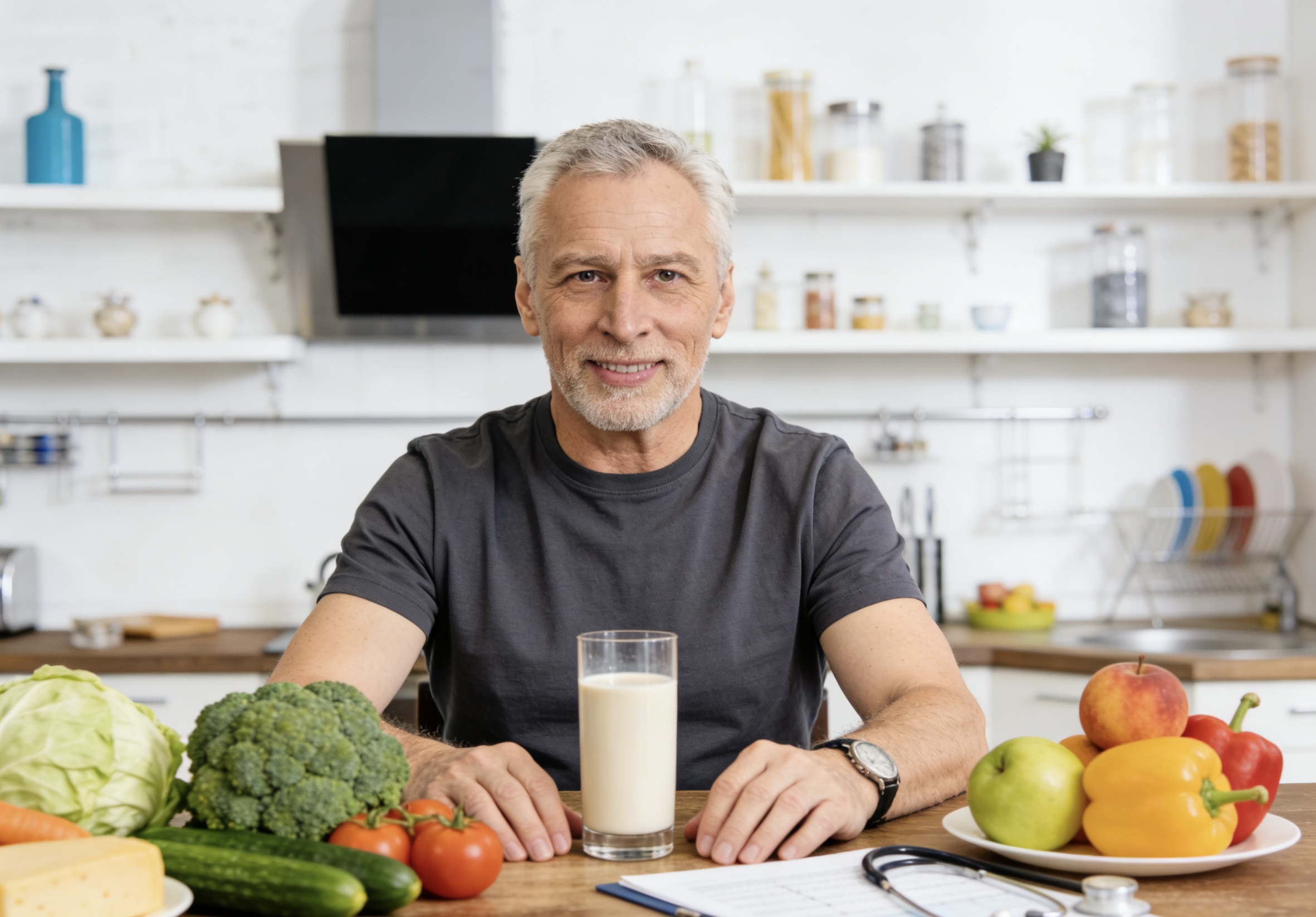
Weight loss through vegetables and grains: the benefits of celery, carrots, mung bean sprouts, and oat and buckwheat.
This article introduces the slimming effects of vegetables such as celery, carrots, mung bean sprouts, yams, potatoes, aloe vera, bamboo shoots, bok choy, and leeks, and then turns to grain slimming, elaborating on the nutritional value and fat-burning effects of whole grains such as oats, buckwheat, and red beans.
2026-06-03
Dietary fiber: the sixth nutrient, how to effectively obtain it and prevent constipation.
Dietary fiber, known as the "sixth nutrient," promotes intestinal motility, increases stool volume, and absorbs harmful substances. Soluble fiber can lower cholesterol, while insoluble fiber irritates the intestinal wall. It's best to obtain natural fiber from seaweed, mushrooms, root vegetables, and dried beans, rather than relying on fiber drinks.
2026-06-01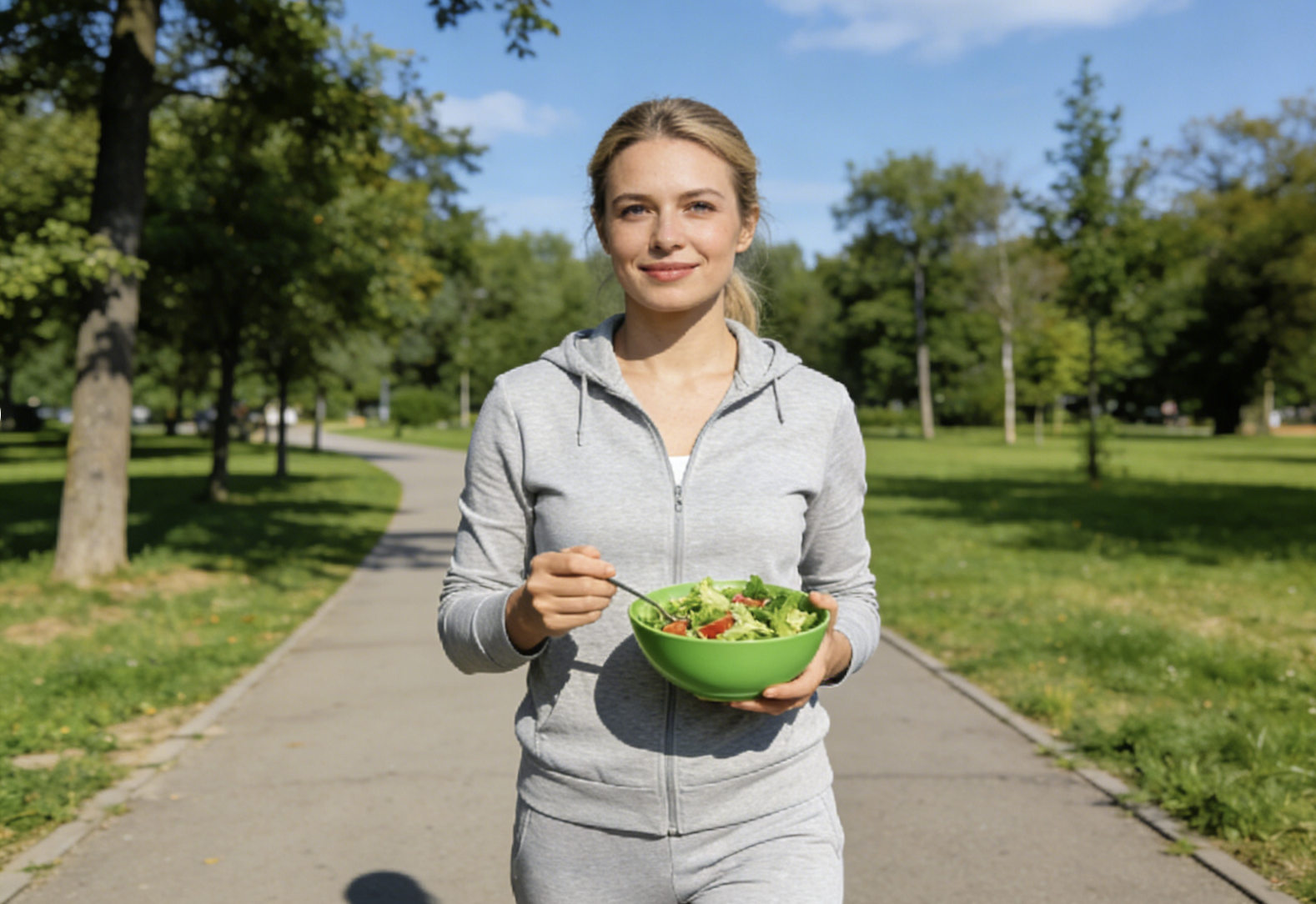
The secret to drinking without gaining weight: Moderate drinking and smart choices of snacks to accompany alcohol.
Alcohol contains 7 calories per gram. Moderate drinking can relax the mind and body, but excessive drinking can lead to obesity and liver disease. When drinking alcohol, choose low-calorie, high-protein foods (such as tofu and edamame), and avoid high-salt and high-oil foods. Setting "liver rest days" and controlling alcohol intake are key.
2026-06-01
Summary of key data on exercise and weight loss
This article summarizes key data on calorie expenditure during exercise: jogging for one hour burns only 40 grams of fat, playing tennis for 30 minutes burns 200 calories, and a slice of cake contains 240 calories. It emphasizes that exercise must be combined with dietary control and provides recommendations for ideal exercise frequency and duration.
2026-06-01